
Automotive Brand Identity in 2026: How Luxury Car Brands Stay Iconic in the EV Era
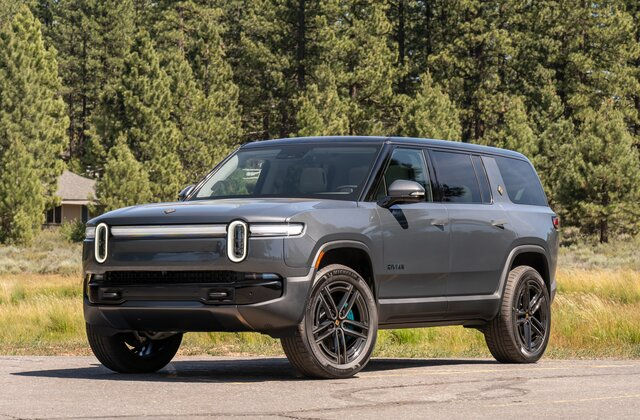
Look at the badges on this year's new cars and something feels off. Jaguar dropped its snarling "growler." Honda redrew its H for a new electric line. Volkswagen, Nissan, and Lamborghini all traded depth, shine, and detail for clean, flat, screen-ready marks. On paper, every move makes sense. Put them side by side, and a quieter problem appears: a lot of these brands now look like each other. For any company building a serious automotive brand identity in 2026, that is the real story. Not whether to modernize, but how to do it without dissolving into the crowd. Here's what's actually happening, and how the brands that stay iconic are thinking about it.
The great flattening: why every car badge suddenly looks similar
The rebrand wave of the last few years was driven by one thing above all: screens. A logo today has to work as a 16-pixel app icon, a frosted detail on a touchscreen, an animated splash on a digital dashboard, and a glowing emblem on the nose of an electric car. Heavy gradients, chrome bevels, and fine line work that looked rich in a print ad turn to mush at that scale. So the industry simplified. Flat, two dimensional, high-contrast marks read cleanly everywhere. The shift to electric powertrains gave brands a second reason: a new badge signals a clean break from the combustion past and a more tech-forward future. The logic is sound. The side effect is not. When dozens of brands chase the same "clean and digital" brief at the same time, they arrive at the same place. Designers call it debranding or blanding the slow erasure of the very details that made a mark instantly recognizable. A badge that no longer looks like anyone in particular has stopped doing its most important job.
What a logo was actually built to carry
A great automotive emblem is not decoration. It is decades of compressed meaning. The prancing horse, the four rings, the spread wings each one is emotional shorthand for performance, status, heritage, and belonging that the brand spent generations earning. That equity is one of the most valuable assets a car company owns. Strip it down too far and you reset perception on purpose, which is sometimes the goal. But you can also quietly throw away the feeling people had the moment they saw it. The lesson the strongest brands understand is simple: modernization should sharpen recognition, not amputate it. This is exactly the tension we explore in our breakdown of luxury branding examples from Ferrari, Audi, 1 Hotels, and Design Miami the point is never how those identities look. It's why they work.
The 2026 correction: character is coming back
There's a counter-move underway, and it's the most interesting trend of the year. Across luxury, brands are pulling away from ultra-minimal sterility and back toward heritage, craft, and personality. Serif typography, expressive letterforms, richer artwork, and texture are returning. The reason is human: audiences are tired of identities that feel efficient but cold. The data backs the shift. Most luxury buyers now name craftsmanship as essential to the experience, and a large share say a brand's story is what drives them to see it as high-end at all. People stay loyal to brands they feel an emotional connection to not the ones with the most optimized logo. For automotive, the takeaway is sharp. The brands that will own the EV era aren't the ones with the cleanest badge. They're the ones that still feel alive distinctive, characterful, impossible to confuse with the brand parked next to them. That conviction sits at the center of everything we do in luxury brand identity design: premium should feel personal, not formulaic.
Brand identity is far bigger than the badge
Here's the mistake that sinks most rebrands: treating the logo as the whole project. A logo is a single asset. A real automotive brand identity is an entire ecosystem typography, color, photography style, motion language, campaign tone, launch experience, and showroom feel, all pulling in the same direction. You can keep a familiar badge and still feel completely new by evolving the system around it. You can also wreck a beloved badge by bolting it onto visuals that have no point of view. The badge gets the headlines; the system does the work. This is the core of our automotive branding design practice building cohesive identity systems where every touchpoint, from the logo to the launch campaign, reinforces a single, deliberate feeling. It's also why our graphic design services start with strategy before a single mark is drawn.
Where the EV reset is an opportunity, not a threat
A new electric model line is one of the rare moments a brand gets something close to a blank page. Handled well, it's not a risk to manage it's a chance to manufacture desire from scratch. The brands doing this best aren't leading with spec sheets. They're building cinematic, editorial worlds around the car: dramatic light, real atmosphere, a clear emotional arc. That's where brand photography and high-impact print and digital campaigns carry more weight than the logo ever will. A badge tells people who you are. A campaign makes them want you. If you want the deeper thinking on this, our piece on creative direction for luxury brands covers how to turn strategy, visuals, and mood into campaigns people remember rather than scroll past.
How to modernize without erasing yourself
If your brand is weighing a refresh in 2026, these principles keep you sharp instead of generic:
Protect your equity first. Identify the one or two elements people genuinely recognize, then decide what is sacred before you touch anything.
Evolve, don't amputate. The strongest redesigns feel inevitable in hindsight modern, but unmistakably you. If your new mark could belong to three competitors, push further.
Design a system, not a symbol. Typography, color, photography, and motion do more for perception than the logo alone. Build them together.
Lead with emotion. In luxury, feeling drives desire. A technically perfect identity with no point of view will always lose to one with conviction.
Test at every size and in motion. From a favicon to a billboard to an illuminated grille, your identity has to hold up everywhere it lives now.
Getting these calls right is rarely a solo job it's where outside brand consulting and creative coaching earns its place, and where our process starts with your brand's DNA before any visual decision gets made.
The takeaway
Iconic was never about being the loudest, the cleanest, or the most on-trend. It's about being distinctive, consistent, and emotionally undeniable across every screen, surface, and campaign you put your name on. The flattening wave will keep rolling. The brands that stay unforgettable through it are the ones that refuse to look like everyone else. If you're rethinking your automotive brand identity for the EV era or building one from the ground up that's exactly the kind of work Schweitzer Designs was built for. Get in touch and let's make sure your brand is the one people remember.
Frequently Asked Questions
What is automotive brand identity?
Automotive brand identity is the complete visual and emotional system that defines a car brand the logo, typography, color, photography, motion, and campaign style working together. It's far more than a badge; it's how a brand makes people feel, and it's the foundation of a strong luxury automotive branding program.
Why are so many car brands rebranding in 2026?
Two forces are driving it: the move to digital-first, screen-ready design and the shift to electric vehicles, which gives brands a reason to signal a new era. The risk is that too many brands simplify in the same direction and start to look alike which is why distinctiveness matters more than ever.
Does my brand need a full rebrand or just a refresh?
It depends on your existing equity and where the brand is headed. A refresh evolves what already works; a rebrand resets perception entirely. A focused brand consultation is the fastest way to know which one your brand actually needs.


Comments