
Why Great Brand Strategies Fail Before Launch: Lessons for Premium Brands
- stephnschweitzer5
- 5 days ago
- 7 min read
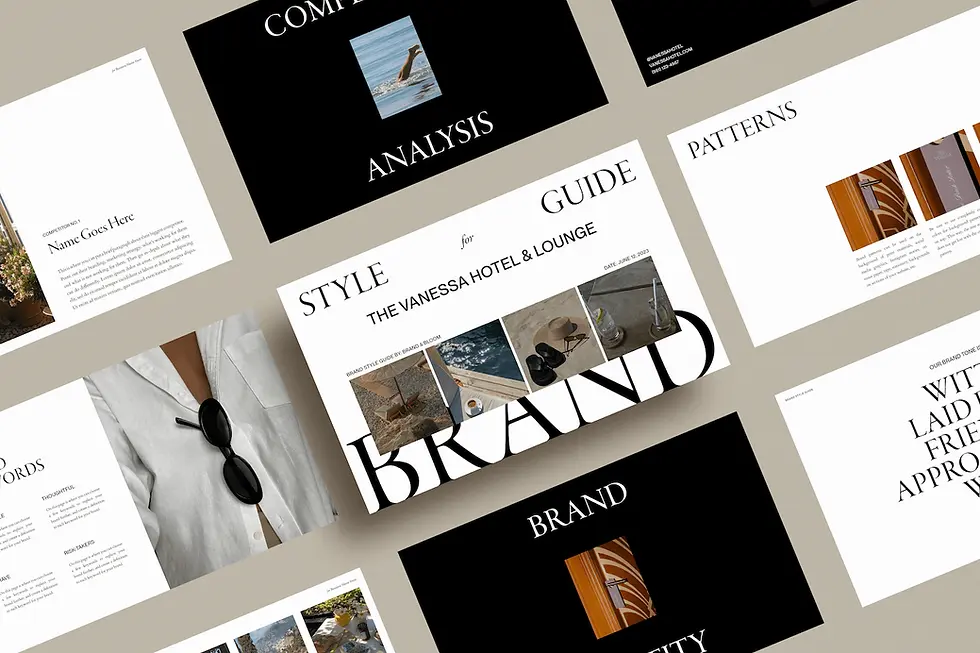
A brand strategy can look perfect in the presentation and still fail before it ever reaches the market. The positioning may be clear, the audience insight may be strong, and the opportunity may be real, but the launch can still feel flat if the strategy never becomes a working creative system. This is where many premium brands lose momentum. The strategy is approved, but then it gets diluted in meetings, reshaped by competing priorities, reduced by budget decisions, or handed to different teams without enough creative direction. By the time the brand appears in public, the final execution may look nothing like the original idea. For premium, luxury, automotive, hospitality, and lifestyle brands, that gap is expensive. Customers do not experience strategy decks. They experience websites, campaigns, photography, social posts, events, print materials, sales decks, invitations, and brand interactions. If those touchpoints do not feel connected, the strategy has not truly launched. This is why luxury brand identity design matters before the public rollout begins. A strong strategy needs a visual system, a messaging system, a campaign system, and a clear creative direction that can guide every asset from day one.
Why Premium Brands Lose Momentum Before Launch
Premium brands often fail before launch because the work becomes fragmented. Leadership may approve the big idea, but marketing, creative, sales, PR, events, and external vendors may all interpret that idea differently. One team focuses on performance. Another focuses on storytelling. Another pushes for speed. Another wants everything to look safer. The result is not clarity. It is compromise. The problem is not always the strategy itself. The problem is the missing bridge between strategy and execution. A strategy must be translated into practical creative decisions: what the campaign looks like, how the typography behaves, what kind of photography is needed, how the social content should feel, what the event environment should communicate, and how the brand should show up in print and digital formats.
Without that bridge, a premium brand may launch with beautiful words but inconsistent visuals. The website may feel elevated, while the social posts feel generic. The launch event may look polished, while the follow-up email feels ordinary. The campaign may have strong photography, but the sales deck may not reflect the same level of refinement. Luxury customers notice when a brand feels unfinished. They may not name the issue, but they feel the inconsistency.
The Gap Between Strategy Decks and Real Brand Touchpoints
A strategy deck is not the brand experience. It is only the blueprint. The real brand appears when the audience sees and feels the work across multiple touchpoints. That includes the logo system, typography, color palette, photography direction, campaign layouts, social templates, print materials, landing pages, event signage, pitch decks, email headers, press kits, product visuals, and customer-facing content. Each piece either reinforces the strategy or weakens it. This is especially important for brands preparing launches, rebrands, product reveals, hospitality openings, real estate campaigns, fashion drops, automotive events, or lifestyle activations. These moments require more than a message. They require a complete creative ecosystem. A premium launch should never depend on last-minute design decisions. The most effective launches are built from a system that already knows how the brand should look, sound, move, and feel.
Why Creative Alignment Matters Across Every Platform
Creative alignment means every platform tells the same story without looking repetitive. A premium brand does not need every asset to be identical. It needs every asset to feel like it belongs to the same world. That is where print and digital campaign design becomes essential. A launch campaign may need social graphics, paid ads, a landing page, a printed invitation, an event program, a press image, a presentation deck, signage, and recap content. If each piece is created separately, the campaign can quickly lose its premium character. The best brand launches feel intentional because the creative decisions are connected. The photography supports the campaign idea. The typography supports the positioning. The layout supports the message. The color system supports recognition. The event visuals support the digital campaign. The post-launch content continues the same story. When creative alignment is strong, the brand feels more established before the audience even studies the offer.
What Automotive and Luxury Brands Should Prepare Before Launch
Automotive and luxury brands need especially careful launch preparation because their audiences expect precision. A vehicle reveal, VIP test drive, dealership campaign, motorsport activation, hospitality partnership, or lifestyle launch must feel refined across every touchpoint. Before launch, these brands should prepare the full creative system. That includes campaign messaging, key visuals, photography direction, launch graphics, event signage, social templates, printed collateral, email assets, press materials, digital ads, website updates, and executive presentation materials. For automotive brands, luxury automotive branding must balance performance, emotion, engineering, lifestyle, and status. A launch should not feel like a set of disconnected deliverables. It should feel like a brand world with a clear point of view. The same is true for hospitality and lifestyle brands. A hotel, restaurant, wellness brand, real estate brand, or premium event experience must communicate atmosphere before the customer arrives. Strategy sets the direction, but creative execution creates the desire.
Photography Is Not an Afterthought
One of the most common launch mistakes is treating photography as a final task instead of a strategic asset. Premium brands need imagery that supports the positioning, not just images that fill space. Brand photography should be planned early because it affects the entire campaign system. The mood, lighting, composition, talent, environment, product details, and editing style all influence how premium the brand feels. If photography is rushed, the launch may look generic even when the strategy is strong. The same applies to event photography services. If a launch event is part of the strategy, the photography plan should be designed before the event happens. The brand should know what moments need to be captured, what visuals will support PR, what content will be used on social, and how the event can create assets for weeks or months after launch. When photography is aligned with strategy, it becomes more than documentation. It becomes proof of the brand experience.
Common Mistakes That Weaken Brand Launches
Many brand launches fail because teams underestimate the amount of creative execution required. They plan the strategy, but not the system. They approve the message, but not the visual language. They schedule the launch, but not the production timeline. Common mistakes include creating campaign assets too late, using too many vendors without clear direction, allowing each channel to develop its own look, skipping photography planning, leaving social content until the end, treating print materials as secondary, and failing to prepare post-launch content. Another mistake is making the strategy too abstract. If the strategy cannot guide design decisions, it is not launch-ready. A useful strategy should help teams decide what to show, what to avoid, how the brand should feel, and how the campaign should behave across formats. Premium graphic design services help close that gap by turning strategic ideas into polished, usable, consistent assets that can be deployed across real-world channels.
How to Turn Strategy Into a Launch-Ready Brand System
A launch-ready brand system gives every team the tools to execute with consistency. It should include the brand identity, messaging hierarchy, typography rules, color system, image direction, campaign concept, layout examples, social templates, presentation design, print applications, event visuals, and post-launch content direction. This does not make the brand rigid. It makes the brand more confident. When the system is clear, teams can move faster without losing quality. Designers know what to create. Marketers know how to communicate. Photographers know what to capture. Event teams know what the environment should feel like. Leadership knows what the brand should protect. The best systems also allow room for personality. Premium brands should feel refined, but not lifeless. A strong creative system gives the brand discipline while still leaving space for originality, emotion, and surprise.
That is the difference between a strategy that stays in a deck and a strategy that becomes a memorable brand experience.
How Schweitzer Designs Supports Premium Brand Launches
Schweitzer Designs helps premium automotive, lifestyle, hospitality, and experiential brands translate strategy into launch-ready creative systems. The work is not about creating isolated visuals. It is about building a connected brand presence that can move across digital, print, social, events, photography, and campaign platforms without losing clarity. From brand identity and campaign visuals to creative direction, photography, event assets, and graphic design, the goal is to make every touchpoint feel intentional. For brands preparing to launch, refresh, or reposition, that level of creative alignment can be the difference between looking polished once and building long-term brand value. A great strategy deserves more than approval. It deserves execution that protects the idea, elevates the experience, and gives the audience something clear to remember.
Final Thoughts
Great brand strategies do not fail because strategy is unimportant. They fail because strategy is often separated from the creative decisions that bring it to life. For premium brands, the launch is not a single announcement. It is a sequence of touchpoints that must feel connected. The audience sees the campaign, the website, the photography, the event, the social content, the printed materials, the sales presentation, and the follow-up communication. Every one of those moments shapes perception. If the execution feels scattered, the strategy loses power. If the execution feels clear, premium, and consistent, the strategy becomes visible. Before your next launch, ask one question: does the brand have a complete creative system, or just a strategy deck? The answer may decide whether the launch feels forgettable or impossible to ignore.
Ready to turn your brand strategy into a launch-ready visual system?
Schweitzer Designs helps premium automotive, lifestyle, hospitality, and experiential brands translate strategy into brand identity, campaign visuals, photography, print, digital, social, and event assets that feel consistent from day one.
Explore our luxury brand identity design, print and digital campaign design, brand photography, event photography services, and premium graphic design services to build a launch that feels polished, distinctive, and ready for market.
FAQs
Why do brand strategies fail before launch?
Brand strategies often fail before launch because they are not translated into clear creative execution. Teams may approve the strategy but launch with inconsistent messaging, visuals, photography, campaign assets, or customer touchpoints.
What should premium brands prepare before launching?
Premium brands should prepare brand identity assets, campaign visuals, photography direction, social media templates, print materials, event assets, website updates, press materials, and post-launch content before going to market.
Why does creative alignment matter for luxury brands?
Creative alignment helps every brand touchpoint feel connected, polished, and recognizable. This is especially important for luxury brands because customers notice inconsistency in design, tone, photography, and presentation.
How can automotive brands improve launch campaigns?
Automotive brands can improve launch campaigns by creating a complete visual system that connects vehicle photography, campaign design, event visuals, social media, print collateral, and digital assets.
How does Schweitzer Designs support brand launches?
Schweitzer Designs supports brand launches through brand identity design, graphic design, print and digital campaign design, photography, event visuals, and creative direction for premium and automotive brands.


Comments