
Why Luxury Brands Need a Visual Identity Ecosystem, Not Just a Logo
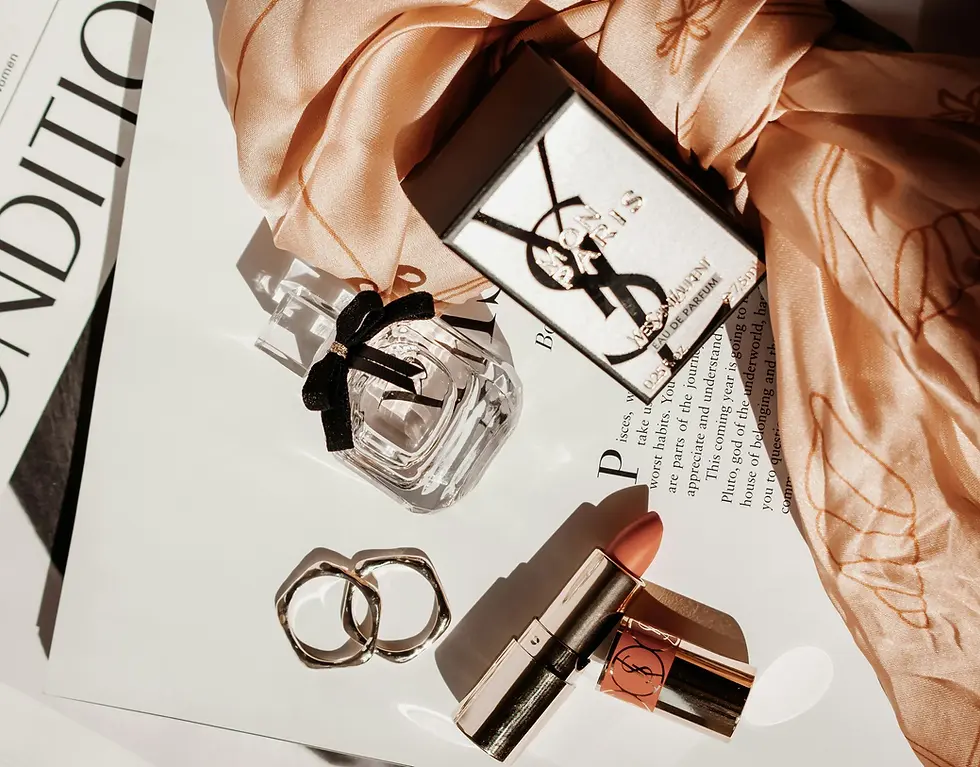
In luxury branding, a logo is never the full story. It may be the most visible mark of a brand, but it is only one piece of a much larger visual world. For premium automotive, lifestyle, hospitality, and experiential brands, the real power comes from building a complete visual identity ecosystem: a connected system of design, photography, typography, color, tone, campaign direction, and customer touchpoints that work together to create desire. A luxury brand does not win attention by looking nice. It wins by feeling unmistakable. That is where many brands make the mistake. They invest in a logo, launch a website, update a few social media templates, and assume the brand is complete. But modern audiences experience brands across dozens of moments: a homepage, a campaign image, an event invitation, packaging, a printed brochure, a product launch, an Instagram post, a showroom detail, a PR gift, or a hospitality experience. If those moments feel disconnected, the brand loses strength. A visual identity ecosystem makes every touchpoint feel intentional. It gives the brand a recognizable language, not just a visual mark. It helps the audience understand what the brand represents before they read a single paragraph of copy. In the luxury space, that first impression is not decoration. It is part of the value proposition.
A Logo Identifies. A Brand Ecosystem Creates Desire.
A logo helps people recognize your name. A visual identity helps them understand your world. In the luxury space, people are not only buying a product or service. They are buying meaning, emotion, taste, status, aspiration, and experience. Whether it is a performance vehicle, a boutique hotel, a private event, a lifestyle product, or a premium real estate brand, the customer wants to feel something before they take action. That feeling is created through consistency and originality. A complete visual identity ecosystem includes the logo, but it also defines how the brand moves, speaks, photographs, presents, and behaves visually. It answers important questions: How should the brand feel at first glance? What type of photography expresses its personality? Should the visuals feel refined, rebellious, minimal, cinematic, bold, editorial, warm, or high-performance? How should print materials, digital campaigns, and physical brand moments connect? What makes this brand impossible to confuse with another? For luxury brands, these details matter because perception is part of the product. A brand can offer exceptional quality, but if the visual experience does not communicate that quality, the audience may never fully understand its value.
Luxury Branding Is Built on Perception
In crowded premium markets, quality alone is not enough. Many brands offer quality. Many brands have polished visuals. Many brands can look expensive. But very few feel distinct. That distinction is what separates a luxury brand from a good-looking business. Luxury customers are highly sensitive to details. They notice when a campaign feels generic. They notice when photography lacks direction. They notice when typography, color, layout, and tone feel inconsistent. Even if they cannot explain what is wrong, they can feel when the brand does not fully believe in its own world. A strong visual identity removes that doubt. It creates confidence, recognition, emotional consistency, and a sense of value before the sales conversation begins. It also helps the brand charge premium prices because the customer can clearly see, feel, and remember the difference.
The Market Is Too Crowded for Safe Design
Premium brands often fall into the trap of safe design. Clean layouts, neutral colors, elegant typography, minimal photography, and quiet messaging can all look refined. But refinement without personality becomes forgettable. Luxury does not have to mean boring. The strongest luxury brands know how to balance polish with character. They understand that a brand can be sophisticated and still have edge. It can feel premium and still feel alive. It can respect tradition while creating something unexpected. This is especially important in automotive, lifestyle, hospitality, and experiential markets, where customers are constantly exposed to polished brand visuals. When every brand looks sleek, the brand with a sharper point of view stands out. That point of view should appear in the visual system, campaign direction, photography style, layouts, typography, tone, and overall brand atmosphere.
Photography Is Part of the Identity, Not Just Content
For luxury, automotive, hospitality, and lifestyle brands, photography should not be treated as decoration. It is one of the strongest parts of the brand identity. A photo can communicate energy, status, intimacy, craftsmanship, performance, atmosphere, and emotion faster than any headline. But only when it is directed with purpose. Standard photography documents. Brand-led photography translates strategy into feeling. For example, an automotive brand does not only need images of a car. It needs visuals that express engineering, motion, precision, speed, luxury, and culture. A hospitality brand does not only need images of rooms. It needs atmosphere, texture, guest experience, architecture, and emotional escape. A lifestyle brand does not only need product shots. It needs a world the customer wants to enter. That is why photography must be connected to the larger identity system. The lighting, styling, angles, environment, editing style, and composition should all feel like they belong to the same brand universe. When photography and identity are separated, the brand may look inconsistent. When they work together, the brand becomes more memorable and more emotionally powerful.
Print, Digital, Packaging, and Campaigns Should Speak the Same Language
A luxury brand is experienced across many channels. The website may introduce the brand. A campaign may create desire. A printed piece may build credibility. Packaging may make the experience feel personal. Event visuals may create status. Social content may keep the brand alive between major launches. If each channel is designed separately, the brand becomes fragmented. A visual identity ecosystem prevents that. It gives every channel a shared foundation while still allowing creative flexibility. The brand does not need to repeat the same design everywhere. It needs to feel connected everywhere. This is especially important for premium brands because inconsistency can quietly reduce perceived value. If the website feels elevated but the event materials feel generic, the customer notices. If the photography feels luxury but the social templates feel basic, the brand loses authority. If the packaging does not match the digital experience, the emotional journey breaks.
Strategy Comes Before Style
A strong visual identity is not created by choosing a trendy font or a beautiful color palette. It begins with strategy. Before design happens, the brand must understand its audience, market position, personality, emotional promise, and competitive difference. Only then can the visuals express something real. This is why creative direction is so valuable. It connects business strategy with visual execution. Without creative direction, brands often collect assets: a logo, a shoot, a deck, a few ads, a website. With creative direction, those assets become a system. Luxury identity cannot be random. It has to feel intentional at every level. Every image, headline, layout, material, and campaign choice should support the same brand narrative. This is what turns design from a surface-level activity into a business growth tool.
A Visual Ecosystem Builds Long-Term Brand Equity
The goal of luxury branding is not just to look good today. It is to build memory over time. When a brand uses a consistent visual language, people begin to recognize it before they see the logo. They recognize the photography style, the use of space, the tone of the campaign, the way the product is framed, and the way the brand makes them feel. That kind of recognition is powerful because it builds equity. It turns design into a business asset. A logo can be copied. A visual world is much harder to imitate. For premium brands, this is where long-term value is created. The brand becomes more than a product, service, or campaign. It becomes a recognizable point of view.
Final Thoughts
Luxury brands do not need more generic polish. They need identity with intention, personality, and emotional force. A logo may start the conversation, but a complete visual identity ecosystem builds the relationship. It helps every campaign, image, layout, package, and brand moment feel connected. It gives the audience something to remember. It gives the brand a world to own. For automotive, lifestyle, hospitality, and experiential brands, this is no longer optional. In a market full of beautiful sameness, the brands that stand apart will be the ones with a sharper visual language, stronger creative direction, and a world their audience wants to enter.




Comments