
Luxury Brand Identity Design: How Premium Brands Build Desire, Trust, and Distinction

A luxury brand is not built by a logo alone. It is built through the feeling a customer gets every time they see, touch, read, hear, or experience the brand. That feeling may begin with a mark, a color palette, a photograph, a campaign visual, or a beautifully restrained website. But the power comes from how all of those pieces work together. That is the role of luxury brand identity design: to create a visual and emotional system that makes a premium brand feel unmistakable. It gives the brand clarity, consistency, and presence across every touchpoint, from digital campaigns and social media to print collateral, events, launch materials, photography, and customer-facing brand experiences. For automotive, lifestyle, hospitality, real estate, and experiential brands, design is often the first signal of value. Before a customer books, buys, visits, test-drives, or inquires, they are already making judgments. Does the brand feel credible? Does it feel elevated? Does it create desire? Does it feel different from every polished-but-forgettable competitor in the market? This guide explains what luxury brand identity design includes, why strategy matters before visuals, how a premium identity system is created, and how brands can use design to build desire, trust, and distinction. For brands ready to move from scattered visuals to a cohesive premium system, luxury brand identity design services can help turn brand potential into a stronger market presence.
What Is Luxury Brand Identity Design?
Luxury brand identity design is the process of building a complete visual system for a premium brand. It includes the elements people can see, such as logos, typography, colors, layouts, imagery, and campaign graphics. It also includes the deeper creative choices behind those visuals: mood, pace, restraint, emotion, storytelling, and positioning. A strong luxury identity should answer one central question: how should people feel when they encounter this brand? For some brands, the feeling may be quiet confidence. For others, it may be performance, exclusivity, craftsmanship, warmth, edge, elegance, or bold modernity. The design system gives that feeling a visual form.
Luxury identity is more than a logo
A logo can introduce a brand, but it cannot carry the full experience by itself. A premium brand needs a complete identity system that works across the website, social media, ads, sales decks, signage, packaging, invitations, editorial layouts, launch graphics, internal documents, and customer communications. When those pieces feel disconnected, the brand loses authority. A beautiful logo paired with generic photography, inconsistent typography, and rushed campaign assets still creates a weak impression. Luxury identity design solves that problem by creating a unified language that every brand touchpoint can follow.
Premium branding depends on perception
Luxury markets are perception-driven. Customers often make decisions based on signals of quality before they ever evaluate the full product or service. These signals may be subtle: spacing, paper texture, photo direction, typography choice, messaging tone, layout discipline, color restraint, or the confidence to leave visual breathing room.The goal is not to make a brand look expensive in a generic way. The goal is to make the brand feel intentional, specific, and worthy of attention. True luxury design communicates value without overexplaining it.
The Core Elements of a Luxury Brand Identity
A luxury identity system is made from several connected parts. Each element has its own role, but the strength comes from how they work together. The best premium identities feel consistent without feeling repetitive, refined without becoming lifeless, and distinctive without becoming chaotic.
Visual language
Visual language is the recognizable system behind the brand. It includes the logo system, typography, color palette, composition style, iconography, patterns, textures, graphic devices, spacing rules, and layout behavior. For premium brands, the visual language should feel deliberate enough to create trust and distinctive enough to build memory. A strong visual language makes the brand recognizable even when the logo is not shown. The audience should be able to recognize the brand through a layout, a campaign style, a photo treatment, or a repeated visual device. That is where brand identity becomes more powerful than decoration.
Photography and image direction
Photography is one of the fastest ways to shape premium perception. A brand can have a strong logo and polished typography, but if the imagery feels inconsistent, overly stock-like, or disconnected from the audience, the identity will not feel complete. For luxury brands, brand photography should be treated as part of the identity system, not as a separate content task. Image direction should define lighting, framing, environment, texture, human presence, product focus, motion, and emotional tone. Automotive brands may need speed, atmosphere, reflection, and detail. Hospitality brands may need calm, warmth, materials, and sensory cues. Lifestyle brands may need aspiration, editorial energy, and a strong sense of place.
Campaign-ready brand assets
A premium identity must be able to move beyond a brand book. It has to work in the real world, especially across campaigns. Launch graphics, social ads, billboards, invitations, email visuals, landing pages, brochures, event collateral, and print materials should all feel connected to the same brand idea. This is where print and digital campaign design becomes important. Campaign systems translate the identity into action. They help a brand show up consistently while giving each marketing moment enough energy to get noticed.
Brand guidelines
Brand guidelines protect the quality of the identity after the design project is complete. They show internal teams, vendors, partners, printers, developers, photographers, and marketers how to use the identity correctly. For luxury brands, guidelines should cover more than logo placement. They should explain typography, color usage, image style, spacing, layouts, campaign adaptation, tone of voice, and examples of correct and incorrect usage. This prevents the brand from slowly becoming inconsistent as more people work with it.
Why Strategy Comes Before Luxury Design
Luxury design should look effortless, but it should never be random. The most effective visual systems are built on strategy. Before choosing a typeface, color palette, or logo direction, the brand must understand its audience, market position, personality, and point of difference. Without strategy, design becomes subjective. People start choosing what they personally like instead of what will strengthen the brand. Strategy gives the creative work a clear reason to exist.
Audience and positioning
A premium brand must know who it is trying to attract and what that audience values. A luxury automotive buyer may respond to performance, heritage, engineering, exclusivity, and lifestyle. A hospitality audience may respond to calm, privacy, service, atmosphere, and trust. A real estate audience may respond to sophistication, location, aspiration, and credibility. Positioning defines the space the brand should own in the customer’s mind. Is the brand modern and disruptive? Quiet and refined? Editorial and expressive? Technical and performance-led? Warm and experiential? The identity should make that position visible.
Brand DNA
Every premium brand needs a clear sense of its own DNA. This includes the brand story, values, audience, tone, personality, visual references, competitive environment, and emotional promise. The purpose is not to make the brand look like the category. The purpose is to discover what makes it feel specific. This is why luxury brand consulting can be valuable before or alongside design. Consulting helps clarify the strategic foundation so the visual identity has depth, direction, and staying power.
Emotional cues
Luxury brands create desire through emotional cues. These cues may be visual, verbal, physical, or experiential. A sharp black-and-white campaign can create authority. Warm natural light can create intimacy. Strong negative space can signal confidence. A precise grid can signal discipline. A textured print piece can signal craft. The strategy should define which cues matter most for the brand. Once those cues are clear, the design system can use them consistently across touchpoints.
How the Luxury Brand Identity Design Process Works
While every brand is different, a luxury identity project should move through a structured process. A clear process reduces confusion, keeps the work aligned, and makes sure the final identity is not only beautiful but useful.
Discovery and creative direction
The process begins with discovery. This stage explores the brand’s current position, audience, goals, visual challenges, competitive set, existing assets, and future direction. The purpose is to understand where the brand is now and what it needs to become. From there, creative direction establishes the visual path. This may include moodboards, references, typography direction, color exploration, photography style, campaign tone, and examples of where the brand should and should not go.
Identity system development
After the creative direction is approved, the identity system begins to take shape. This can include primary and secondary logos, monograms, typography hierarchy, color palettes, graphic devices, icon styles, layout systems, and image treatments. The system should be flexible enough to work across different formats but controlled enough to remain recognizable. The strongest identities are not just attractive on a presentation slide. They work when applied to real brand moments: a homepage hero, a billboard, a launch invite, a social carousel, a pitch deck, an event sign, a brochure, a digital ad, or a photo-led campaign.
Refinement and real-world testing
Luxury identity design needs refinement. Small details matter: spacing, contrast, line weight, alignment, hierarchy, image crop, typography pairing, and the relationship between boldness and restraint. Testing the identity across realistic applications is essential. A logo that looks strong on a white background may not work on a busy image. A color palette that feels premium on screen may not translate well in print. A typography system may look elegant in a headline but weak in a long-form brochure. Real-world testing finds these issues before launch.
Guidelines and rollout
Once the identity is finalized, the brand needs organized assets and clear usage guidance. This may include logo files, color codes, type recommendations, layout examples, social templates, campaign samples, image direction, and rules for vendors or internal teams. A thoughtful strategic branding process makes rollout easier because every step is connected to how the brand will actually use the identity after launch.
Luxury Brand Identity for Automotive, Lifestyle, and Experiential Brands
Luxury identity principles apply across many premium categories, but each industry has its own visual demands. Automotive, lifestyle, and experiential brands often need identities that can carry both emotion and movement. They need to feel elevated, but they also need enough personality to stand apart.
Automotive brands
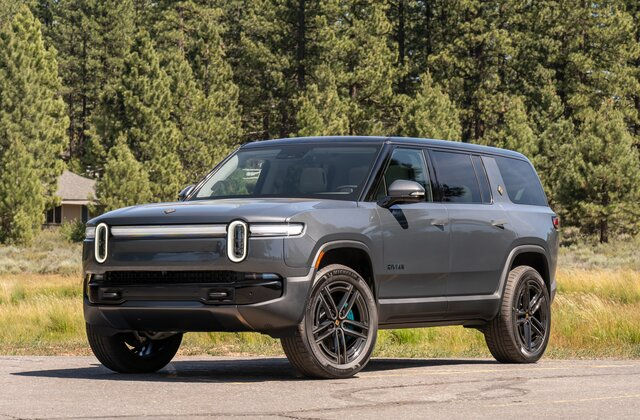
Automotive branding is built on emotion, performance, engineering, aspiration, and trust. Buyers judge quality long before they enter the showroom or schedule a test drive. The brand identity must communicate value through every visible detail. For vehicle brands, dealerships, motorsport companies, performance brands, and launch teams, luxury automotive branding design can help translate speed, craftsmanship, precision, and lifestyle into a cohesive visual system. The identity must work across digital campaigns, showroom materials, sales collateral, event graphics, sponsorship assets, social media, print, and customer communications.
Lifestyle and hospitality brands
Lifestyle and hospitality brands often sell a feeling before they sell a product or service. The customer is buying taste, atmosphere, belonging, comfort, aspiration, or a sense of place. The identity should make that world feel immediate and believable. For these brands, photography, color, typography, texture, and pacing matter deeply. The identity should not simply describe the experience; it should let the audience feel it.
Experiential and event-led brands
Experiential brands must remain consistent across fast-moving environments. A customer may encounter the brand through an invitation, registration page, signage, step-and-repeat, printed program, social content, event photography, follow-up email, and recap campaign. If each touchpoint feels disconnected, the experience loses power. For event-led brands, event photography and brand design should work together. The design sets the expectation. The event experience delivers it. The photography extends it after the moment has passed.
Common Mistakes That Make Premium Brands Look Generic
Many brands want to look premium, but the result often becomes safe, minimal, and forgettable. Luxury identity design requires discipline, but it also requires character. A brand can be refined without becoming cold. It can be bold without becoming messy. It can be elegant without becoming predictable.
Mistake 1: Confusing minimalism with luxury
Minimalism can be powerful, but it is not automatically luxurious. A plain logo, neutral colors, and lots of white space do not guarantee premium perception. Without a distinct idea, minimalism can make a brand disappear. Luxury design should feel intentional. Sometimes that means restraint. Sometimes it means texture, tension, movement, editorial energy, or a surprising visual detail. The key is to use design choices that support the brand’s specific identity, not just the category’s trend.
Mistake 2: Using inconsistent visuals
Inconsistent visuals weaken trust. If a brand’s website feels refined, but its social graphics feel rushed and its print materials feel unrelated, customers receive mixed signals. Premium brands must protect consistency across every touchpoint. This does not mean every asset should look identical. It means every asset should feel like it belongs to the same world.
Mistake 3: Copying competitors
Luxury markets are full of similar visual cues: serif typography, neutral palettes, editorial photography, thin lines, gold accents, monochrome layouts, and quiet compositions. These can work, but they become weak when used without a clear point of view. A strong brand identity should understand the category but not disappear into it. The goal is to be brand-right, not trend-right.
Mistake 4: Skipping brand guidelines
Even the best identity can lose impact if it is not documented. Without guidelines, internal teams and vendors make small decisions that slowly dilute the brand. Fonts change. Colors drift. Spacing gets tighter. Photography becomes inconsistent. Campaign assets start to look unrelated. Guidelines give the brand a quality control system. For premium brands, that control is essential.
How to Choose the Right Luxury Brand Identity Design Partner
Choosing the right creative partner is not only about finding someone who can make beautiful visuals. It is about finding someone who understands how premium brands create perception, desire, and trust. The right partner should be strategic, visually strong, collaborative, and able to think across real brand applications.
Look for strategy and taste
A luxury design partner should ask deeper questions before designing. Who is the audience? What does the brand need to signal? What does the current identity fail to communicate? Where will the identity live? What emotional response should it create? Taste matters, but strategy gives taste direction. The best design decisions are not random preferences. They are choices tied to the brand’s goals.
Look for relevant category experience
A premium automotive brand does not have the same needs as a boutique hotel, a real estate group, a performance product company, or an event-led lifestyle brand. Relevant experience helps the creative partner understand category expectations while still finding room for originality. For brands in high-touch markets, the ideal partner can think beyond a logo and build a system that works across campaigns, photography, print, digital, events, and customer experiences.
Look for direct creative collaboration
Luxury design often benefits from a closer creative relationship. When the process is too layered, the work can lose personality and clarity. Direct collaboration helps the brand move faster, communicate better, and keep the creative vision intact. For brands that want curated creative work instead of mass-produced design, working with a boutique studio can create a more focused and personal process.
Frequently Asked Questions About Luxury Brand Identity Design
What is luxury brand identity design?
Luxury brand identity design is the creation of a complete visual system for a premium brand. It can include logo design, typography, color palette, layout style, photography direction, campaign graphics, visual guidelines, and the overall look and feel that shapes brand perception.
Is luxury brand identity design different from logo design?
Yes. Logo design is only one part of brand identity. A full luxury identity system gives the brand a consistent visual language across websites, campaigns, print materials, presentations, social media, events, and customer touchpoints.
Why do luxury brands need brand guidelines?
Brand guidelines help protect consistency. They show teams, vendors, and partners how to use the identity correctly so the brand does not become diluted over time.
What should a luxury brand identity include?
A luxury brand identity may include logo systems, typography, color palettes, image direction, graphic language, campaign templates, print and digital assets, brand guidelines, and creative direction for real-world applications.
How does photography support a luxury brand identity?
Photography shapes the emotional perception of a brand. Strong brand photography can communicate quality, atmosphere, lifestyle, detail, and aspiration faster than copy alone.
When should a premium brand consider a rebrand?
A premium brand should consider a rebrand when its visuals no longer match the quality of its work, when the brand has grown into a new market, when the audience has changed, or when the identity feels inconsistent across touchpoints.
What makes automotive branding different?
Automotive branding must balance emotion, precision, performance, trust, and lifestyle. The identity has to work across showrooms, campaigns, vehicle launches, social content, print collateral, events, and digital platforms.
Can luxury branding be bold?
Yes. Luxury branding does not have to be plain or overly minimal. It can be bold, energetic, and original as long as the execution remains intentional, refined, and aligned with the audience.
How long does luxury brand identity design take?
Timelines vary based on scope. A smaller refresh may move faster, while a full identity system with strategy, logo development, guidelines, campaign assets, and photography direction may require a longer phased process.
How do I choose a luxury branding studio?
Choose a studio that understands strategy, premium perception, visual storytelling, and real-world rollout. The right partner should be able to build a system that looks strong and works across every brand touchpoint.
Final Thoughts: Luxury Design Should Make a Brand Feel Unmistakable
Luxury brand identity design is not about decoration. It is about building a visual and emotional system that helps a premium brand become easier to recognize, harder to ignore, and more trusted by the people it wants to reach.The strongest identities combine strategy, visual language, photography, campaign thinking, and guidelines into one cohesive system. They create desire without shouting. They communicate quality without overexplaining. They give every touchpoint a clear role in the larger brand story.For automotive, lifestyle, hospitality, real estate, and experiential brands, a strong identity can become a business asset. It can make campaigns more effective, customer experiences more consistent, and the brand itself more memorable.If your brand is ready for a sharper, more distinctive visual presence, explore Schweitzer Designs and start with a creative conversation about how your identity should look, feel, and move in the world.



Comments