
14 Iconic Advertising Campaigns That Redefined Brand Impact
- stephnschweitzer5
- 2 hours ago
- 5 min read
Great design and clever messaging are often admired, but their true value lies in their ability to drive measurable business results. For a brand to thrive, it needs more than just a beautiful logo; it requires a strategic brand positioning that connects with audiences on a fundamental level. Visual design in marketing is the vehicle, but revenue growth is the destination. So, what makes a campaign truly "iconic"? It is the rare combination of a brand perception shift, cultural relevance, and an undeniable advertising sales lift. The most successful marketing efforts don't just capture attention they change consumer behavior and redefine markets. At Schweitzer Designs, we know that powerful branding is an investment, not an expense. To prove how design and messaging drive real-world revenue, we are breaking down 14 creative advertising examples that literally changed business history.
The Power of Humor and Disruption
Old Spice: The Man Your Man Could Smell Like (2010)
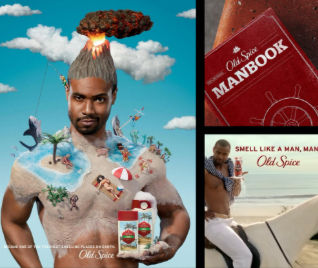
Old Spice was an aging brand stuck on grandad’s shelf. By targeting the actual buyer (women who purchase body wash for their partners) with rapid-fire humor, they made the brand culturally relevant overnight. The Impact: The initial target was a 15% sales lift. Instead, body wash sales doubled within months, and Old Spice became the number one men’s body wash in the US.
Dollar Shave Club: Our Blades Are F***ing Great (2012)
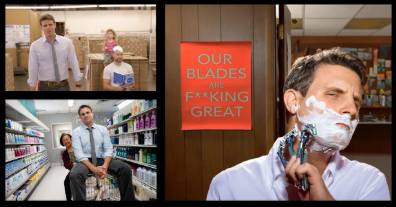
Entering a market dominated by corporate giants like Gillette required serious disruption. Dollar Shave Club used a deadpan, low-budget, and hilarious introduction to highlight a simple user pain point: expensive razors. The Impact: A single launch video went completely viral and built a subscription company that Unilever bought for around $1Bn in cash.
Squatty Potty: This Unicorn Changed the Way I Poop (2015)

How do you sell a bathroom posture stool? You use a prince and a unicorn producing rainbow ice cream. It was a massive swing that paid off by turning an unglamorous, taboo topic into a viral sensation. The Impact: This viral marketing success story built a real business. Online sales jumped around 600%, and the video drove roughly $38m in sales the following year.
Minimalism and Bold Positioning
Volkswagen: Think Small / Lemon (1959)
In post-war America, consumers wanted massive, luxurious cars. Volkswagen took the opposite approach with minimalist visual design and brutally honest copywriting, leaning into the very thing everyone saw as a weakness. The Impact: This campaign sold a tiny German car to big-car America. US sales crossed 100,000 in 1960 and roughly tripled by mid-decade. Ad Age later named it the campaign of the century.
Apple: Think Different (1997)

When Steve Jobs returned to Apple, the company was roughly ninety days from bankruptcy. The "Think Different" campaign didn't show a single computer; instead, it aligned the brand with historical visionaries, resetting what the company stood for. The Impact: The campaign saved the company, swinging Apple from a $1Bn loss in 1997 to a $309m profit in 1998.
Avis: We Try Harder (1962)
Avis was struggling far behind the market leader, Hertz. Instead of pretending to be number one, they made being number two their entire strategy, promising better customer service because they had to try harder. The Impact: A $3.2m loss became a $1.2m profit inside a year, and their market share climbed from 11% to 35%.
Purpose-Driven and Activist Branding
Patagonia: Don't Buy This Jacket (2011)
On Black Friday, Patagonia ran a full-page ad telling people not to buy their products to highlight the environmental cost of consumerism. This bold, activist stance resonated deeply with their target audience. The Impact: Despite telling people not to buy, revenue rose roughly 30% the next year, from around $415m to $543m, setting the brand's activist trajectory for the decade.
Oatly: It's like milk but made for humans (2018)
Oatly took a mundane product—oat milk—and used distinct, conversational packaging and a cheeky brand voice to drag it into mainstream culture, directly challenging the traditional dairy industry. The Impact: This voice and positioning more than doubled revenue to $421m in 2020, and the brand IPO'd at a $10Bn valuation in 2021.
Cultural Events & Emotional Storytelling
Red Bull: Stratos (2012)
Red Bull stopped acting like a beverage company and started acting like an extreme sports media empire. Sending Felix Baumgartner to jump from space was the ultimate emotional storytelling stunt. The Impact: Around eight million people watched live, proving a drinks company could out-produce traditional media. US sales rose 7% in the six months following the jump.
Cadbury: Gorilla (2007)

Following a damaging product recall, Cadbury needed a massive rebranding success. Instead of apologizing, they released an absurd, joyful video of a gorilla playing the drums to Phil Collins. The Impact: They recovered the brand by selling joy instead of chocolate. Dairy Milk sales rose around 9%, and brand perception climbed back to pre-crisis levels.
Spotify: Wrapped (2016)
Spotify took user data—which is usually viewed as boring or invasive—and turned it into a highly personalized, shareable visual experience. The Impact: It turned its own data into an annual cultural event and a massive retention engine. The 2020 edition drove a 21% jump in app downloads in a single week.
Creating Entirely New Markets
De Beers: A Diamond is Forever (1947)
De Beers didn't just market a product; they created a cultural tradition. Before this campaign, diamond engagement rings were not the standard. The Impact: De Beers invented a market. Diamond engagement rings went from one in ten US brides to more than eight in ten. US sales ran from $23m to $2.1bn over four decades.
Absolut: The Bottle Campaign (1980s)
Vodka is notoriously difficult to differentiate by taste. Absolut relied entirely on visual design, turning the distinct shape of their bottle into a canvas for art and culture. The Impact: It took an unknown Swedish vodka to the top of the US imported vodka market. Sales went from 10,000 cases a year to 4.5 million.
Nike: Just Do It (1988)
At launch, Nike was actually lagging behind Reebok. The "Just Do It" slogan shifted the focus from the shoes to the mindset of the athlete, making fitness accessible and aspirational to everyone. The Impact: This is the campaign credited with overtaking Reebok. Sales ran from $877m to $9.2bn, and US market share exploded from 18% to 43% over the decade.
How Schweitzer Designs Can Build Your Next Big Campaign
The 14 campaigns above share a common thread: they refused to blend in. Whether through minimalist design, sharp humor, or emotional storytelling, they used high-level creative execution to drive undeniable business growth. Your brand has the potential to leave a similar mark on your industry. At Schweitzer Designs, we specialize in the kind of brand identity development and strategic positioning that turns passive audiences into loyal customers. We don't just make things look good; we build frameworks designed for impact. Are you ready to elevate your brand strategy? Contact our creative team today for a comprehensive brand audit and discover how we can help you build your own iconic legacy.
Frequently Asked Questions (FAQs)
What makes an advertising campaign iconic?
An iconic campaign transcends standard marketing by shifting cultural conversations, completely changing brand perception, and directly driving a massive, measurable increase in revenue and market share.
How does brand design impact sales?
Brand design builds trust, differentiates you from competitors, and communicates your value proposition in seconds. As seen with Absolut and Apple, a strong visual identity can take a company from obscurity (or bankruptcy) to market dominance.
What is the most successful marketing campaign of all time?
While highly subjective, many industry experts point to Volkswagen's "Think Small" for its revolutionary copywriting, Apple's "Think Different" for its brand-saving impact, and De Beers' "A Diamond is Forever" for literally inventing the modern engagement ring market.
Can a small business create a viral ad?
Yes. Dollar Shave Club and Squatty Potty are prime examples of relatively small, unknown companies utilizing humor, distinct brand voices, and low-budget video production to generate millions of dollars in rapid sales.




Comments