
Why Creative Culture Needs More Than Awards: Lessons for Premium and Automotive Brands
- stephnschweitzer5
- 6 days ago
- 7 min read
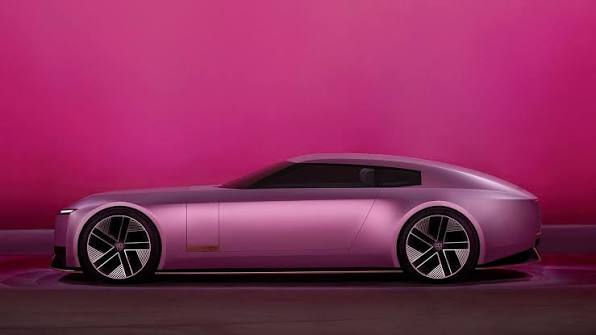
Awards are powerful. They create visibility, validate bold thinking, and give creative teams a moment to prove that their work can shape culture. For agencies and brands, a major award can open doors, attract talent, and turn a campaign into a reference point. But awards are not the same thing as creative culture. For premium and automotive brands, this difference matters. A trophy may celebrate one great campaign, but culture is what shapes every launch, every customer touchpoint, every showroom detail, every social post, every event, every photo direction, and every piece of communication a brand releases after the award moment is over. A luxury brand can win attention once through a campaign, but it earns trust through the consistency of its luxury brand identity design, creative standards, and everyday execution.
Awards Celebrate Work. Culture Builds Brands.
Award shows are built to recognize finished work. They honor the idea, the film, the activation, the campaign system, the craft, and the measurable impact. That recognition is valuable. It shows that the work broke through in a crowded market. Creative culture, however, happens before and after the award entry. It is the environment that allows strong ideas to be developed, protected, refined, and executed well. It includes how teams collaborate, how brand standards are applied, how leaders make decisions, how vendors are guided, and how consistently the brand shows up in the real world. A brand with weak creative culture may produce one impressive campaign, then return to scattered visuals, inconsistent messaging, rushed social content, and disconnected customer experiences. A brand with strong creative culture keeps building from campaign to campaign, because the creative direction is not dependent on one big moment. It is part of how the brand operates.
Why This Matters More for Premium Brands
Premium customers notice details. They notice when a brand feels confident, restrained, polished, and intentional. They also notice when something feels off: a generic template, inconsistent typography, low-quality photography, a weak event invitation, or a social post that does not match the brand's world. For luxury, lifestyle, hospitality, and automotive brands, creativity is not decoration. It is part of the product experience. The way a brand looks and feels communicates status, quality, taste, trust, and desire before the customer ever speaks to a salesperson or makes an inquiry. That is why premium brands need more than an award-winning campaign. They need premium graphic design services and a clear visual system that can guide websites, advertising, social media, events, presentations, printed materials, and branded environments.
What Automotive Brands Can Learn From Creative Culture
Automotive brands offer a clear example. A vehicle launch is not only about the car. It is about the world built around the car: the reveal video, the lighting, the typography, the invitation, the photography, the showroom graphics, the digital ads, the landing page, the test-drive experience, and the follow-up communication. If each piece feels disconnected, the campaign may look expensive but not memorable. If every touchpoint follows the same creative direction, the brand feels more desirable and easier to recognize. This is where luxury automotive branding becomes more than a logo or a single ad. It becomes a complete system for how the brand expresses performance, precision, heritage, technology, exclusivity, or emotion across every audience interaction.
The Work Behind the Work
One of the most overlooked parts of creative culture is the work behind the visible work. Audiences may see the final campaign, but they do not always see the strategy sessions, art direction, production planning, signage systems, photography direction, print specifications, event layouts, motion treatments, or vendor coordination that make the campaign feel seamless. This is especially true for experiential branding. A red carpet, launch event, trade show booth, VIP dinner, showroom activation, or branded installation may look effortless when it is done well. But the reason it feels effortless is because the creative system was built carefully. Strong print and digital campaign design connects the physical and digital sides of a campaign so the invitation, billboard, social post, event signage, landing page, recap graphic, and sales deck all feel like they belong to the same brand story.
Creative Culture Protects Consistency
Consistency is not about making every asset look identical. It is about making every asset feel like it comes from the same brand. That requires a shared creative language. The strongest premium brands usually have clear rules around logo usage, typography, color, photography, tone of voice, layouts, campaign formats, and visual hierarchy. These rules help teams move faster without losing quality. They also help outside vendors, photographers, printers, developers, and event partners understand what the brand should feel like. Without this culture, every new campaign starts from scratch. Every designer interprets the brand differently. Every social post becomes a separate decision. Every event risks becoming visually disconnected from the rest of the brand experience.
Creativity Must Be Sustainable
The creative industry is under pressure. Teams are expected to work faster, produce more content, adapt to AI tools, respond to cultural trends, and still deliver original work. That pressure can lead to burnout, generic output, and rushed decisions. Premium brands cannot afford to build creativity only through emergency deadlines and last-minute campaigns. Sustainable creativity needs time, trust, process, and a clear point of view. It needs leadership that understands the difference between taste and strategy. It needs teams that can challenge weak ideas before they become expensive campaigns. It also needs creative assets that can scale. Strong brand photography gives the brand an ownable visual library, while clear design systems make it easier to build future campaigns without losing the premium feel.
Award-Winning Work vs. Brand-Building Work
Award-winning work often succeeds because it has a strong idea, excellent craft, and cultural relevance. Brand-building work must do something more: it must create long-term recognition. A campaign can be clever and still fail to build the brand. It can win attention and still feel disconnected from the customer journey. It can be visually impressive and still not support the brand's larger positioning. The best creative culture balances both sides. It values breakthrough ideas, but it also asks practical questions: Does this reinforce the brand? Can it live across channels? Does it support the customer's perception of quality? Will it still make sense after the trend fades? Does it create assets we can continue using? Does it make the brand more recognizable?
What Premium Brands Should Avoid
Brands that chase awards or attention without culture often make the same mistakes. They follow creative trends without adapting them to the brand. They create one beautiful campaign but neglect the website, social media, event materials, or sales presentations. They use multiple vendors without a strong creative direction. They treat photography, design, copy, and experience as separate pieces instead of one connected system. For automotive and premium brands, these mistakes are especially visible. A luxury audience may not describe the problem in design language, but they will feel the inconsistency. And when a brand feels inconsistent, it feels less established.
How Creative Culture Improves Conversion
Creative culture is not only about aesthetics. It affects business outcomes. When a brand looks consistent, customers trust it faster. When visuals feel premium, the offer feels more valuable. When campaigns are clear, people understand the message sooner. When events are photographed well, the brand gains reusable content that continues working after the event ends. This is why event photography services and campaign design should not be treated as final-stage add-ons. They are part of how a premium brand turns a moment into long-term marketing value.
How Schweitzer Designs Helps Build Creative Systems
At Schweitzer Designs, the focus is not only on creating polished visuals. The goal is to help premium, automotive, lifestyle, hospitality, and experiential brands build creative systems that feel consistent, distinctive, and useful across real-world touchpoints. That can include brand identity, campaign visuals, print and digital materials, photography direction, event collateral, brand systems, and creative direction that supports both immediate campaigns and long-term brand value. Because the strongest brands are not built by a single award entry. They are built by the quality of every decision the audience sees.
Final Thoughts
Awards matter. They celebrate bold thinking and give creative work the recognition it deserves. But for premium and automotive brands, awards should be seen as proof of creative excellence, not the entire goal. The real goal is to build a brand that can show up with clarity, confidence, and consistency every day. A brand that knows what it stands for. A brand that can translate its identity into campaigns, events, photography, social content, and customer experiences without losing its premium feel. That is what creative culture does. It turns creativity from a one-time performance into a long-term advantage.
Ready to Build a Creative System That Lasts Beyond One Campaign?
Schweitzer Designs helps premium, automotive, lifestyle, hospitality, and experiential brands create brand identity systems, campaign visuals, photography, and creative direction that support long-term recognition and trust. Explore Schweitzer Designs' brand identity design and print and digital campaign design services to build a visual presence that feels consistent, premium, and impossible to ignore.
FAQs
Why do premium brands need creative culture?
Premium brands need creative culture because customers judge quality through every touchpoint, including campaigns, social media, photography, events, websites, and printed materials. A strong creative culture keeps these touchpoints consistent and trustworthy.
Are awards important for brand growth?
Awards can be valuable because they create recognition and validate strong work. However, awards do not replace brand strategy, creative systems, or the everyday execution needed to build long-term brand value.
How does creative culture help automotive brands?
Automotive brands rely on high-quality launch experiences, photography, showroom design, campaign visuals, digital ads, and customer communication. Creative culture keeps all of these elements aligned around one clear brand identity.
What is the difference between creative culture and a campaign?
A campaign is a specific marketing effort. Creative culture is the system, standards, collaboration, and decision-making process that allows a brand to create strong campaigns repeatedly.
How can a brand build stronger creative culture?
A brand can build stronger creative culture by defining its visual identity, creating brand guidelines, improving creative collaboration, investing in photography and campaign systems, and ensuring all teams and vendors follow the same brand direction.





Comments