
Automotive Branding Design: How Car Brands Build a Distinctive Identity
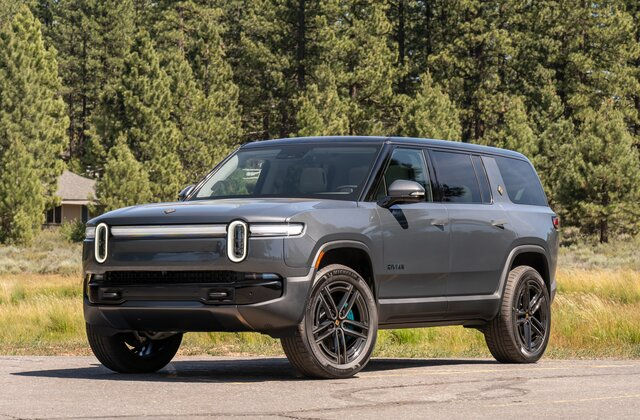
Automotive brands compete in a market where performance, technology, and specifications are only part of the story. Customers also respond to what a brand looks like, how it feels, and whether its visual identity creates a clear sense of quality and personality. That is where automotive branding design becomes a strategic business tool rather than a purely visual exercise.
What Is Automotive Branding Design?For premium vehicle brands, a clear automotive brand identity can make every touchpoint feel connected and recognizable.
Automotive branding design is the process of creating and managing the visual and creative system that represents a car brand, dealership, mobility company, performance business, or automotive lifestyle brand. It goes beyond designing a logo. The goal is to create a distinctive identity that communicates positioning, personality, quality, and the experience the audience should associate with the brand. For a premium automotive business, that system may include brand identity, typography, color direction, campaign graphics, photography direction, showroom materials, social media assets, digital advertising, event collateral, packaging, signage, and brand guidelines.
1. Start With Brand Positioning, Not the LogoStrong automotive graphic design can turn that positioning into a recognizable visual language.
Before changing a logo or selecting a new typeface, an automotive brand needs to understand what it wants to own in the customer's mind. Is the brand performance-led, luxury-focused, heritage-driven, technology-first, lifestyle-oriented, motorsport-inspired, or built around exclusivity?
Clear positioning gives the creative team a direction. Without it, a brand can end up with attractive visuals that do not communicate a consistent reason to choose the business.
2. Build a Visual Identity That Feels DistinctiveFor launches and live experiences, event photography can create a library of authentic images that extends the campaign beyond the event itself.
The visual identity is where positioning becomes visible. A strong system defines how graphic design, typography, color, layout, imagery, iconography, and other visual elements work across real customer touchpoints. The objective is not simply to look premium. It is to look recognizably like one brand. Distinctiveness matters because automotive audiences are exposed to thousands of vehicle images and marketing messages. A brand that relies on generic layouts, interchangeable photography, or predictable campaign styles can become difficult to remember.
3. Make Photography Part of the Brand SystemA defined creative direction approach establishes the visual mood, storytelling, composition, campaign language, and overall experience before production begins.
Automotive photography should do more than show the vehicle. Lighting, location, composition, styling, color treatment, and subject matter can communicate whether the brand feels luxurious, technical, adventurous, emotional, or performance-focused. For launches and live experiences, professional event photography can also create a library of authentic images that extends the campaign beyond the event itself.
4. Use Creative Direction to Keep Every Asset ConnectedStructured marketing design support can help extend a brand system across these touchpoints without losing consistency.
Automotive campaigns often involve photographers, designers, videographers, social teams, agencies, media partners, and event teams. Without a clear creative direction, each group can interpret the brand differently. A defined creative direction approach establishes the visual mood, storytelling, composition, campaign language, and overall experience before production begins. This helps the final campaign feel intentional rather than assembled from unrelated assets.
5. Design for Every Automotive Touchpoint
A brand identity has to work in the real world. Automotive brands may use the identity on vehicle launch materials, showroom graphics, brochures, social media, websites, digital ads, email campaigns, event signage, merchandise, sponsorship assets, and presentations.This is especially important when teams need to apply the identity across multiple automotive brand touchpoints. Each application should feel like part of the same brand. This does not mean every asset has to look identical. It means the underlying visual rules remain recognizable while allowing campaigns to have their own personality.
6. Create a Strong Identity for Vehicle LaunchesThis is why luxury automotive brand identity design should be treated as a strategic system rather than a one-time logo project.
A vehicle launch is one of the most important moments for an automotive brand. It introduces a product while also reinforcing the larger brand story. The launch identity should connect the vehicle's attributes with an emotional idea that audiences can understand quickly. Strong launch campaigns often combine photography, typography, motion, environmental graphics, digital assets, social content, invitations, press materials, and event experiences. The strongest work makes these pieces feel like chapters of the same story.The goal is a cohesive automotive identity that remains recognizable across campaigns, launches, events, and everyday customer interactions.
7. Keep Premium Branding Consistent Without Making It Generic
Luxury automotive branding needs a careful balance. It should feel refined without becoming sterile, energetic without becoming chaotic, and distinctive without sacrificing clarity. Consistency is created through repeatable decisions: typography hierarchy, image treatment, color behavior, spacing, graphic elements, tone of voice, and rules for using the logo. A good system gives teams enough structure to protect the brand while leaving enough flexibility for creative campaigns.
8. Build Guidelines That Teams Can Actually Use
Brand guidelines should make everyday decisions easier. They can explain logo usage, typography, color specifications, photography direction, graphic elements, layouts, campaign applications, and examples of correct and incorrect usage. For automotive organizations working across multiple locations, agencies, vendors, or departments, clear guidelines help prevent visual inconsistency and reduce the time spent correcting off-brand materials.
9. Connect Branding With Marketing Campaigns
Automotive branding becomes more valuable when it is connected to the marketing system. Campaigns need assets that work across digital advertising, social media, email, landing pages, print, events, and sales materials. Structured marketing design support can help extend a brand system across these touchpoints without losing consistency.
10. When Should an Automotive Brand Refresh Its Identity?
An automotive brand may need a refresh when its visual identity no longer reflects its market position, when different departments use inconsistent assets, when the brand has expanded into new categories, or when a major product or business transformation requires a new visual direction. A refresh does not always mean replacing everything. Sometimes the best solution is to preserve recognizable equity while updating typography, photography, graphic language, campaign design, or the way the identity is applied.
How Automotive Branding Design Supports Business Growth
A distinctive automotive brand can make marketing more recognizable, help a business appear more credible, create stronger emotional connections, and give customers a clearer understanding of what the brand represents. This is why brand identity design for luxury automotive brands should be treated as a strategic system rather than a one-time logo project.
Practical Automotive Branding Design Checklist
· Define the brand position and audience.
· Identify the personality and emotional territory.
· Create a distinctive visual identity system.
· Define photography and creative-direction principles.
· Build campaign templates for digital and print.
· Plan the identity across launches, events, showrooms, and social media.
· Document practical brand guidelines.
· Review the identity as the automotive business evolves.
Frequently Asked Questions About Automotive Branding Design
What is automotive branding design?
Automotive branding design is the development of a cohesive visual and creative system for a car brand, dealership, mobility company, performance brand, or automotive lifestyle business.
Why is automotive branding important for car brands?
Automotive branding helps communicate positioning, personality, quality, and customer experience consistently while making the brand easier to recognize and differentiate.
What does automotive branding include?
It can include identity systems, typography, color direction, campaign design, photography direction, digital and print assets, showroom materials, event graphics, merchandise, signage, and brand guidelines.
How can automotive brands stand out from competitors?
They can stand out through clear positioning, distinctive visual language, consistent photography and creative direction, and a flexible identity system that remains recognizable across customer touchpoints.
When should an automotive company consider a brand refresh?
A refresh can make sense when the identity no longer matches the market position, visual execution is inconsistent, the business has expanded, or a major product or strategic change requires a new direction.



Comments